What wildlife might I see?
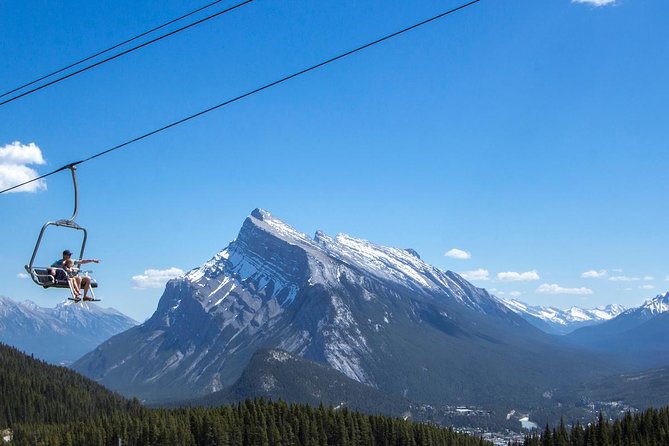
The Mt. Norquay Sightseeing Chairlift offers excellent opportunities to see wildlife in its natural habitat. Because the chairlift climbs from the forest into the alpine zone, visitors pass through several different ecosystems where a variety of animals live. While sightings are never guaranteed, many guests are fortunate enough to encounter wildlife during their visit.
Bighorn Sheep are the most iconic animals at Mt. Norquay. They are frequently seen grazing on grassy slopes, resting on rocky outcrops, or climbing steep cliffs near the summit. Their remarkable climbing ability allows them to navigate terrain that seems almost vertical, making them one of the highlights of a visit.
Marmots are another common sight during the summer months. These large alpine ground squirrels often sunbathe on rocks or whistle loudly to warn each other of approaching danger. They are especially active during warm afternoons.
Pikas are small, rabbit-like mammals that live among rocky slopes near the summit. They are known for their distinctive high-pitched calls and can sometimes be seen carrying grasses and wildflowers to prepare food stores for winter.
Golden Eagles occasionally soar high above the ridges, using rising mountain air currents to glide effortlessly across the sky. Sharp-eyed visitors may also spot hawks, ravens, Clark's nutcrackers, gray jays, and other mountain birds throughout the area.
Deer are often seen in the forests and meadows surrounding the base of the mountain, particularly during the quieter hours of early morning and late evening. Mule deer are the species most commonly encountered.
Black Bears and grizzly bears both inhabit the surrounding mountains, although sightings near the sightseeing area are relatively uncommon. Bears generally avoid busy visitor areas, but they may occasionally be seen feeding on distant hillsides or crossing mountain slopes during quieter times of the day.
Other animals that may be seen include red squirrels, least chipmunks, snowshoe hares, weasels, and occasionally coyotes moving through the lower forest.
The best times for wildlife viewing are usually early in the morning and later in the afternoon or evening, when temperatures are cooler and animals are more active. Spring and early summer are particularly rewarding, as many species are feeding actively and raising their young.
If you encounter wildlife, always observe from a safe distance and never attempt to feed or approach the animals. A telephoto camera lens or binoculars allows you to enjoy close-up views while respecting the animals' space. By giving wildlife plenty of room, you help preserve their natural behaviour and ensure a safe experience for both visitors and the animals that call Mt. Norquay home.
Book the Mt. Norquay Sightseeing ChairliftBooking the Mt. Norquay Sightseeing Chairlift includes All taxes, fees and handling charges.
Banff Gondola Home

 Book Banff
 Banff Gondolas